Interim Life Safety Measures Are a Schedule Constraint, Not a Checklist Item
Interim Life Safety Measures get filed as a compliance document, signed once at the start of a construction phase and referenced occasionally if an inspector asks for it. Treating ILSM that way misses what it actually is. It’s a set of ongoing operational requirements that stay active for the entire duration construction affects a life safety system in an occupied hospital, and those requirements shape sequencing, staffing, and inspection cadence in ways a static compliance form doesn’t capture.
What ILSM Actually Requires
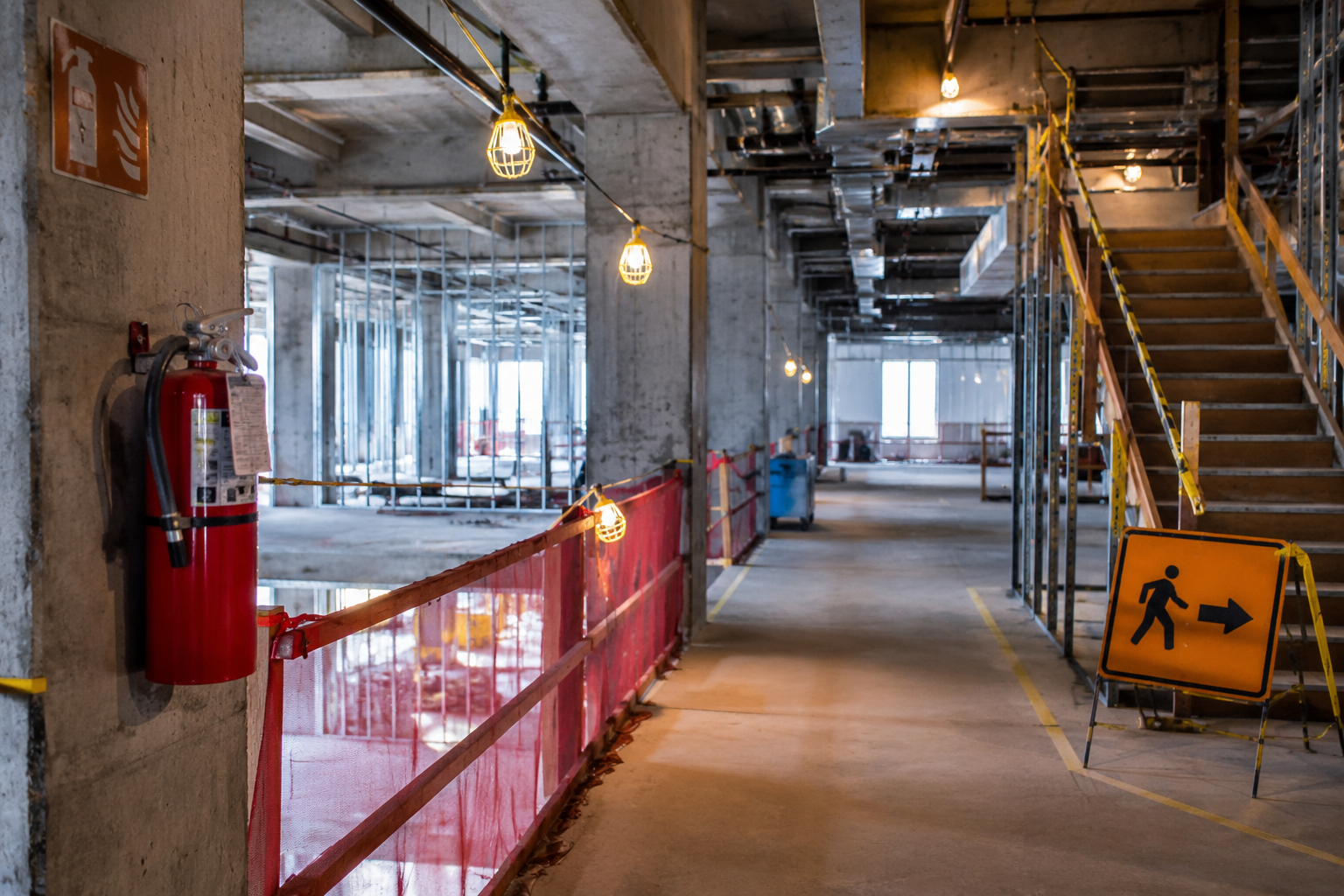
When construction activity impairs a fire alarm system, a sprinkler system, a smoke barrier, or an egress path in an occupied healthcare facility, interim measures have to be implemented to maintain an equivalent level of life safety while that system is impaired. Depending on the specific impairment, this can include a continuous fire watch, temporary fire alarm devices or a temporary notification process, additional portable fire extinguishers, temporary egress signage and lighting, staff training on the interim procedures, and increased inspection frequency of the temporary measures themselves.
These aren’t one-time actions. A fire watch has to be staffed continuously for as long as the impairment lasts. Temporary signage has to be maintained and periodically re-inspected. Staff training has to actually happen before the affected area’s status changes, not as a formality logged after the fact.
Why This Is a Sequencing Constraint, Not Just a Cost Line Item
The duration of the impairment directly drives the cost and complexity of ILSM. A fire watch staffed for two weeks is a very different cost and logistics commitment than one staffed for four months. That means construction sequencing decisions that extend how long a life safety system stays impaired, working one wing at a time instead of compressing the work, choosing a phasing approach that leaves an egress path affected longer, have a direct and often underappreciated cost consequence tied to ILSM duration.
ILSM requirements can constrain which construction activities can happen simultaneously. If a fire watch is covering one affected zone, and a separate activity would impair life safety systems in an adjacent zone, the facility may need to evaluate whether both impairments can be managed concurrently with the staffing and equipment available, or whether the work needs to be sequenced rather than run in parallel. A schedule built purely around trade logistics, without reference to ILSM staffing capacity, can plan simultaneous work that the facility’s actual life safety coverage can’t support.
Restoration of the permanent system is its own scheduled event, not an assumption. The interim measures stay in place until the permanent life safety system is restored, tested, and confirmed functional, which is a specific milestone that needs its own schedule visibility. A schedule that shows the affected construction activity as complete, without a corresponding line item for system restoration and testing, understates how long the interim measures, and their associated cost, actually need to remain active.
What Belongs in the Master Schedule
ILSM implementation and duration should appear as its own schedule element tied to the specific construction activities that trigger it, not folded into a general compliance or safety line item. That element should show implementation date, expected duration based on the construction sequence driving the impairment, and a defined restoration and testing milestone that closes it out. Where multiple zones might have concurrent impairments, the schedule should reflect whatever staffing or equipment constraint actually governs whether those impairments can run in parallel.
Frequently Asked Questions
What triggers Interim Life Safety Measures during hospital construction? ILSM requirements are triggered when construction activity impairs a fire alarm system, sprinkler system, smoke barrier, or egress path in an occupied healthcare facility. The specific measures required depend on which system is impaired and for how long.
How long do Interim Life Safety Measures stay in place? For as long as the underlying life safety system remains impaired by construction activity, ending only when the permanent system is restored, tested, and confirmed functional. This can range from days to months depending on the construction sequence and phasing approach chosen.
Why should ILSM be tracked as a schedule element instead of a compliance form? Because the duration of a life safety impairment directly affects staffing cost, such as a continuous fire watch, and because ILSM requirements can constrain whether multiple construction activities can proceed simultaneously in different zones. A schedule that doesn’t account for this can plan overlapping work the facility’s actual life safety coverage capacity can’t support.
Does ILSM affect construction sequencing decisions? Yes. Phasing approaches that extend how long a life safety system remains impaired, such as working one zone at a time versus compressing work into a shorter window, carry a direct cost and logistics consequence tied to how long interim measures like fire watch staffing need to remain active.