SCADA Integration Timelines and Why They Get Scheduled as an Afterthought
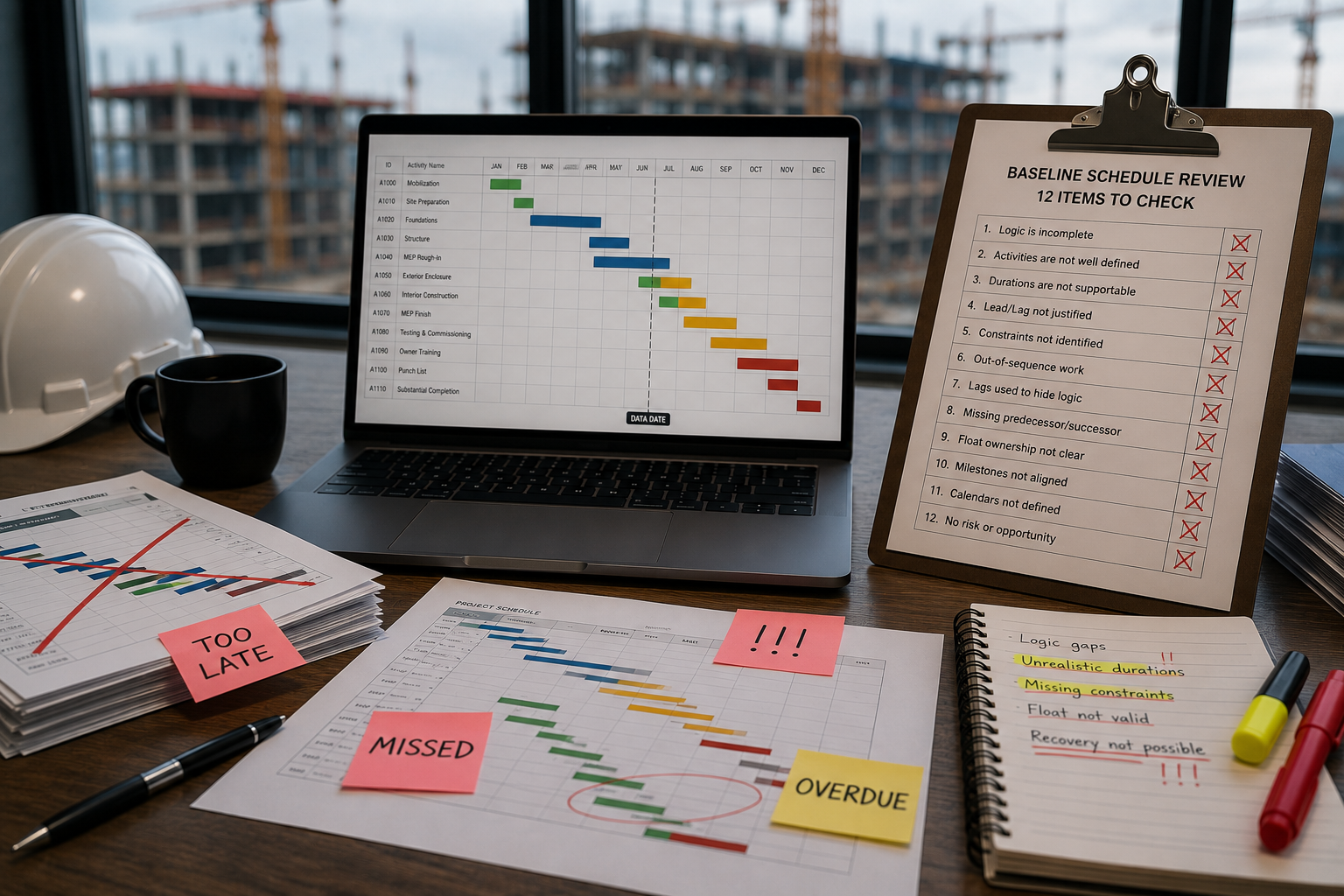
SCADA integration shows up on a lot of water and wastewater construction schedules as a short bar near the very end, sandwiched between mechanical completion and startup, as if it’s a quick configuration step rather than a real engineering workstream with its own long lead time and its own dependency chain. That placement is one of the most consistent reasons startup gets delayed on plants that otherwise finished construction on schedule.
What SCADA Integration Actually Involves
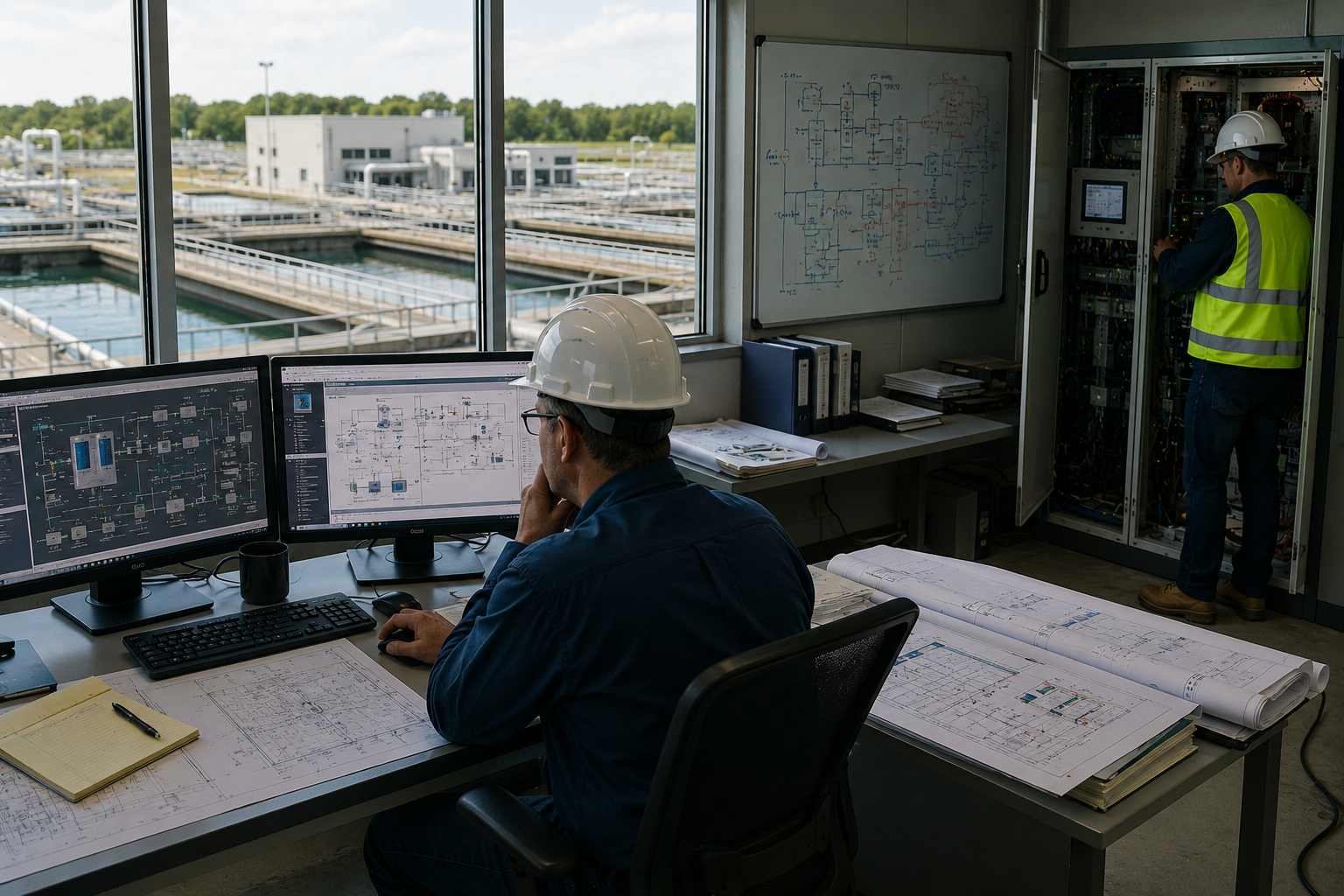
Supervisory control and data acquisition integration covers the programming, testing, and commissioning of the control system that will actually operate the treatment process once it’s running. That includes programmable logic controller programming for every piece of controlled equipment, human machine interface development for the operator screens that will actually run the plant, historian configuration for long-term data logging and regulatory reporting, network architecture and cybersecurity configuration connecting field devices to the control system, and integration testing confirming that every input and output actually behaves correctly when the real equipment, not a simulation, is connected to the real control logic.
Each of those is a real engineering deliverable, developed against final equipment specifications that often aren’t fully locked until relatively late in procurement, which is part of why SCADA programming can’t simply start at project kickoff and run in parallel with everything else from day one.
Why It Ends Up Scheduled as an Afterthought
Final equipment selections have to be locked before final PLC programming can be completed. Control logic depends on the specific equipment being controlled, actual valve actuator signal types, actual pump control interfaces, actual instrumentation output ranges. Because equipment procurement itself often runs long, discussed in our related piece on long-lead procurement, SCADA programming’s real start point is often later than a generic schedule template assumes, and the compressed remaining time gets treated as sufficient because nobody explicitly modeled how late the equipment specifications would actually be finalized.
Integration testing requires actual installed equipment, not just programming completion. Point-to-point testing, confirming every field device correctly communicates with the control system, can’t meaningfully happen until equipment is physically installed and wired. That makes SCADA integration testing dependent on mechanical and electrical construction completion, which means it inherits any schedule risk from those activities, on top of whatever risk exists in the programming itself.
Cybersecurity and network configuration is frequently underscoped in early schedule development. Modern water infrastructure SCADA systems increasingly require documented network segmentation, access control, and security configuration that add real engineering time beyond basic control logic programming, and this requirement has expanded meaningfully in recent years without always being reflected in schedule templates built before that expansion became standard practice.
Startup and commissioning depend entirely on SCADA being functional, which makes it the true final gating item. A plant can be mechanically complete, electrically energized, and fully staffed, and still be unable to start actual treatment operations if the control system isn’t fully integrated and tested. That makes SCADA integration, in practice, the true last dependency before startup, even though it’s often scheduled as if it were a minor closeout task running in parallel with other closeout activities rather than the actual critical path.
How to Build This Correctly Into the Schedule
SCADA integration should appear in the master schedule as its own major workstream, starting as early as equipment specifications allow, not as a short bar appended near project closeout. Programming milestones should be explicitly tied to specific equipment procurement and specification milestones as real predecessors, so a slip in equipment delivery visibly cascades into the SCADA schedule rather than being absorbed silently. And integration testing should be scheduled with realistic duration for point-to-point verification of every control loop, plus float for correction cycles when testing reveals a programming or wiring issue, which it commonly does on a system this complex.
Frequently Asked Questions
Why does SCADA integration often become the actual bottleneck before water treatment plant startup? Because a plant can be mechanically and electrically complete while still unable to begin actual treatment operations if the control system isn’t fully programmed, integrated, and tested. SCADA is frequently scheduled as a short closeout task, but functionally it’s the true last dependency gating startup.
Why can’t SCADA programming start at the very beginning of a project? Final control logic depends on specific equipment characteristics, such as actuator signal types and instrumentation output ranges, that often aren’t finalized until procurement is well underway. Since major equipment procurement itself frequently runs long, SCADA programming’s realistic start point is later than a generic schedule template assumes.
What does SCADA integration testing actually require? Point-to-point testing that confirms every field device correctly communicates with the control system, which requires the equipment to be physically installed and wired first. This makes integration testing dependent on mechanical and electrical construction completion, inheriting any schedule risk from those activities.
How should SCADA integration be reflected in the master schedule? As its own major workstream with explicit predecessor ties to equipment procurement and specification milestones, rather than a short bar near project closeout. Integration testing duration should account for realistic point-to-point verification time plus float for correction cycles when testing reveals issues.